
The Bhawanipur Gujarati Education Society School
Disha Primary School
Disha Senior School
Divyaan Montessori
Ek Prayaas Educational Society
Empowerment Play School
I Can Fly
La Martiniere Boys School
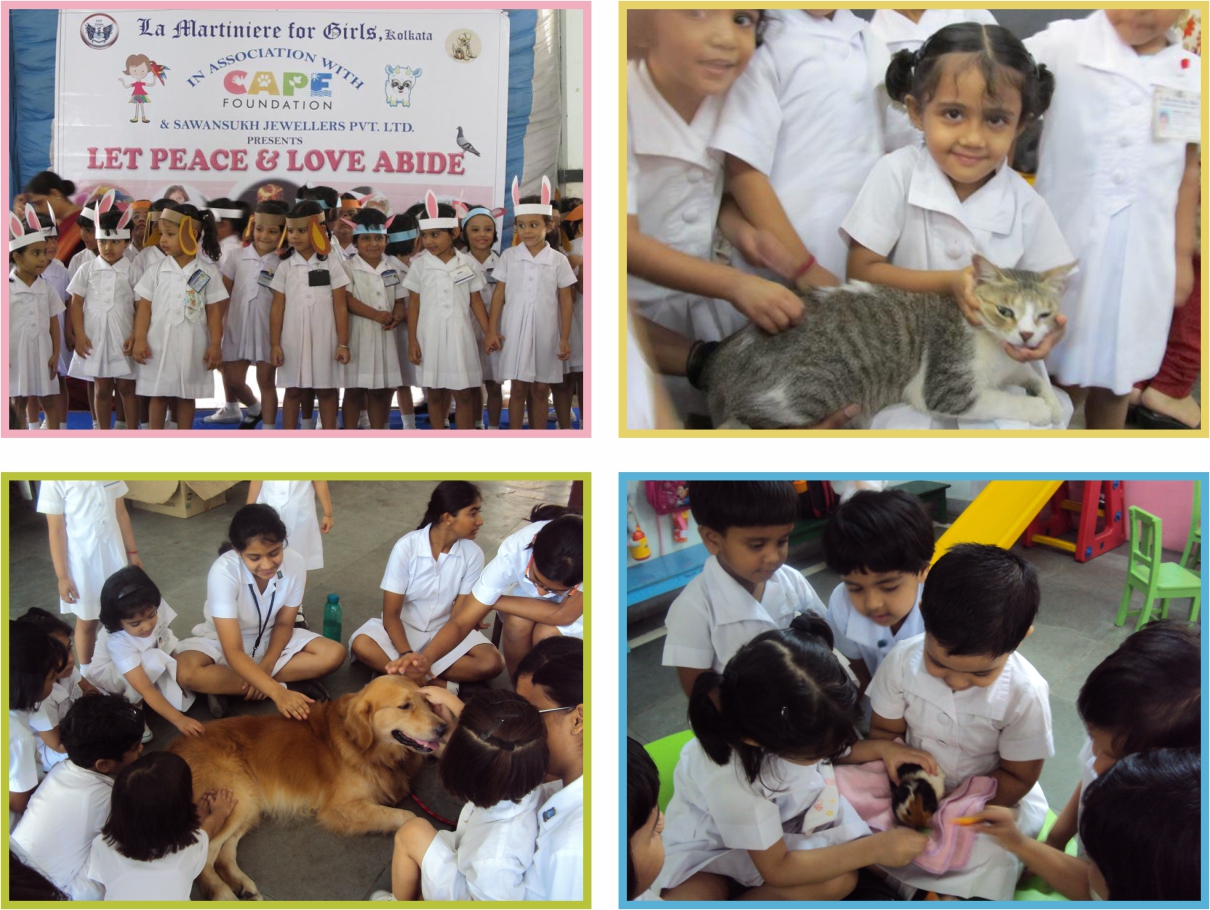
La Martiniere Girls School
Lotus Free School
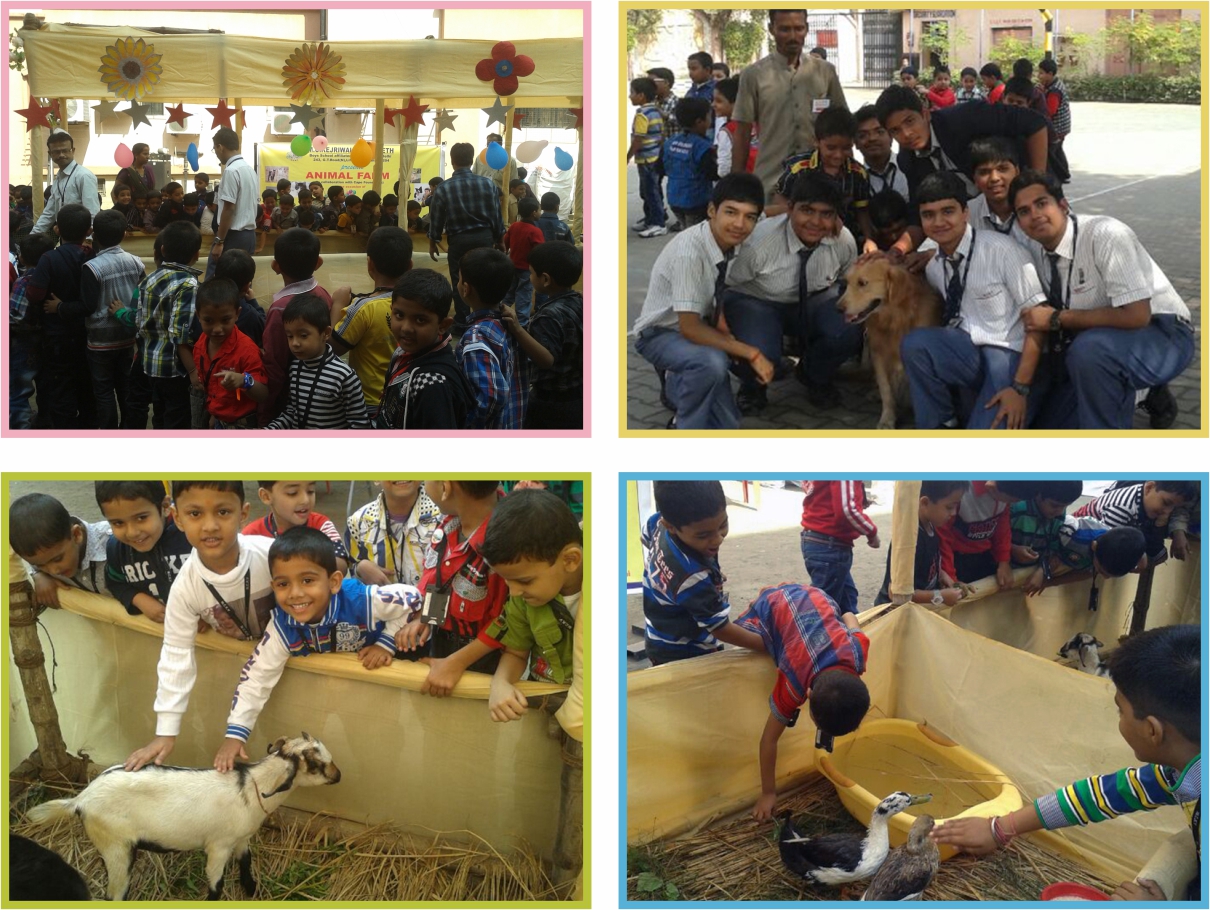
MCKV
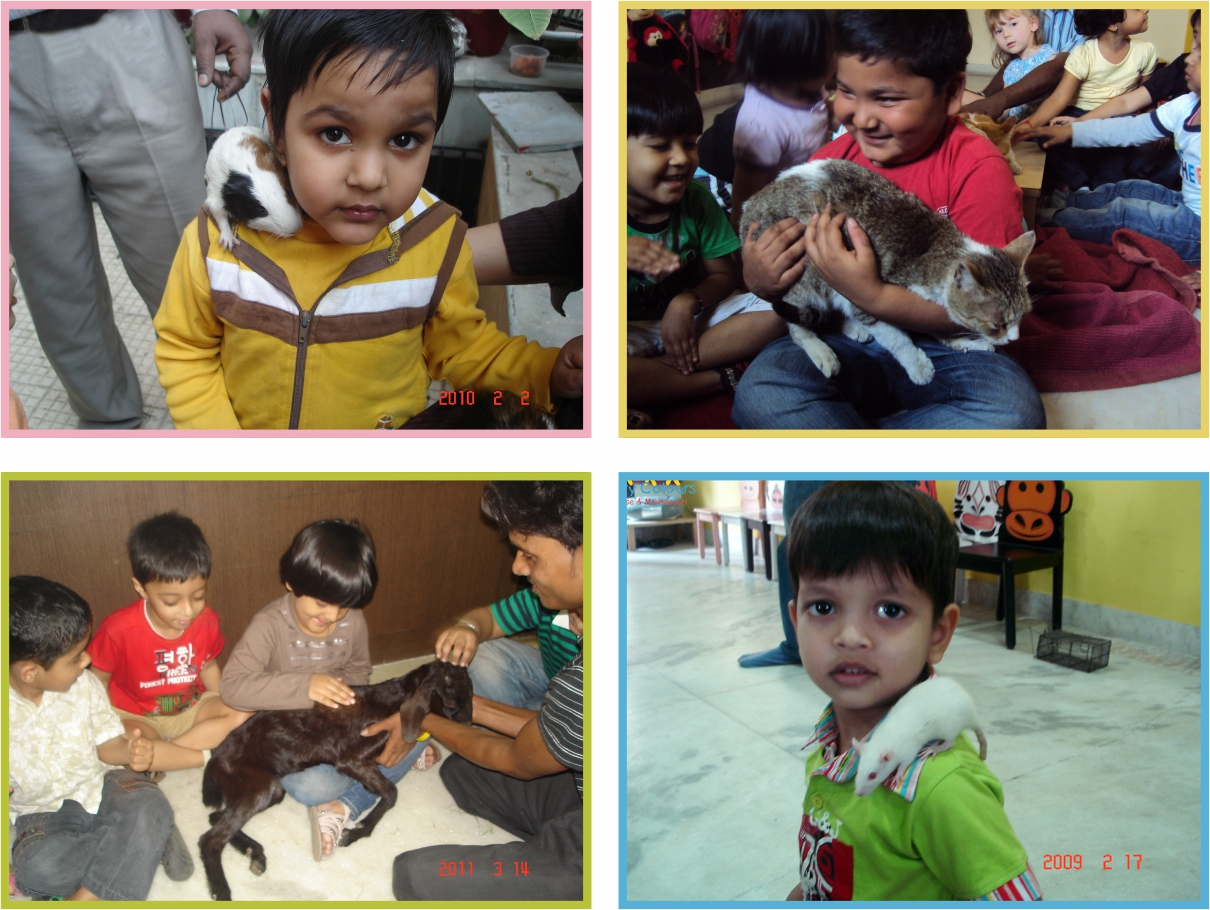
Primary Colours Montessori
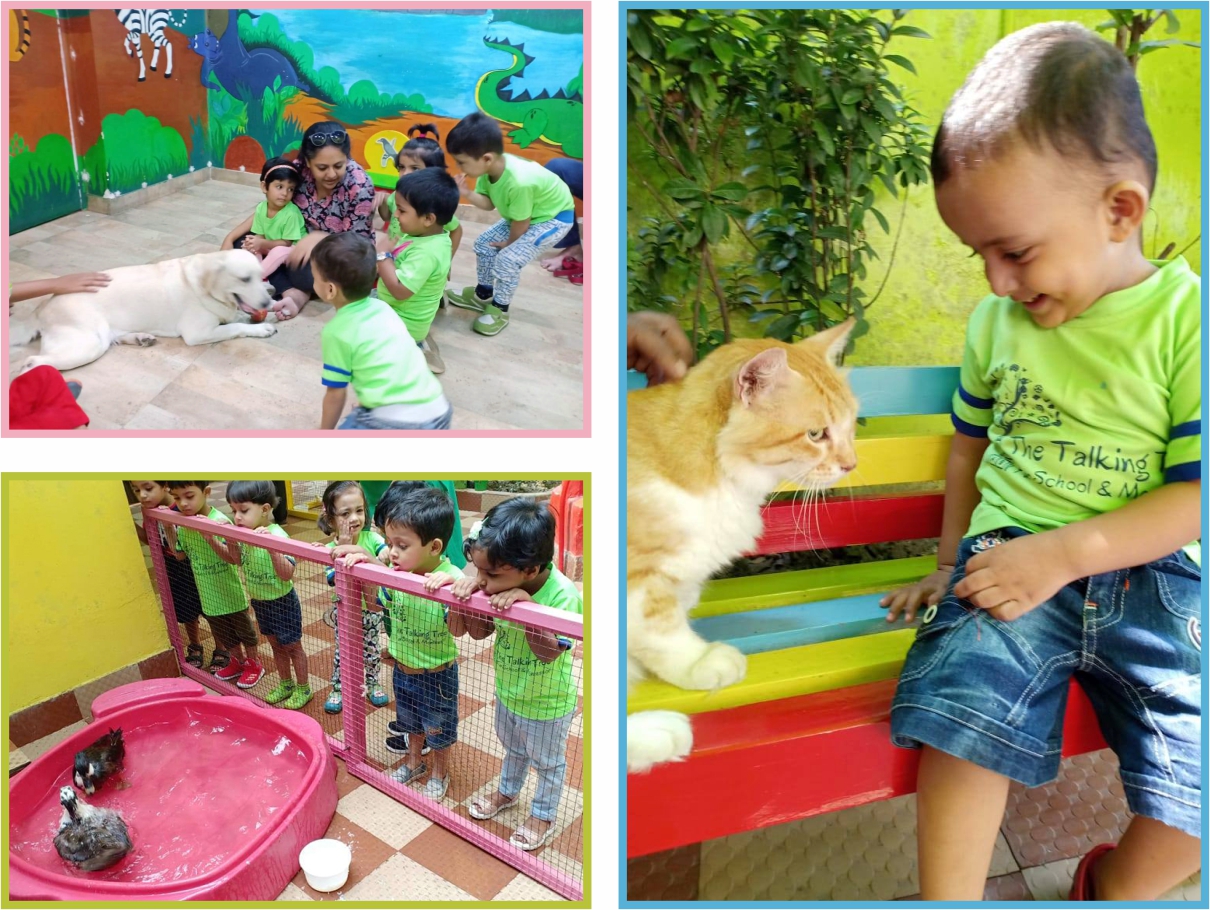
Talking Tree Montessori

Suhasini: AAT (Animal Assisted Therapy) Program
Brief Introduction:
A programme that nurtures emotional health and well-being in children by fostering Children’s relationship with animals. Helping them build empathy and compassion towards animals through our various projects and school workshops.
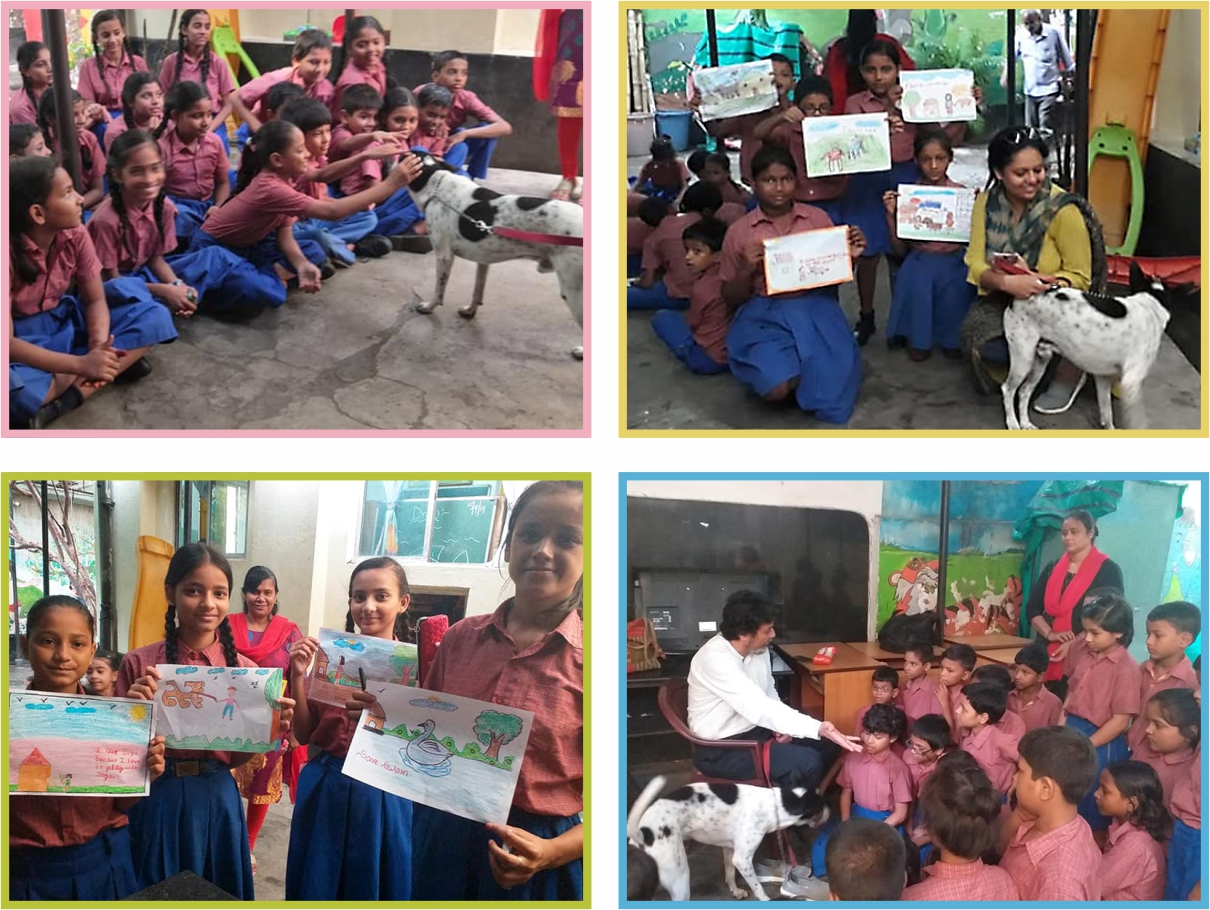
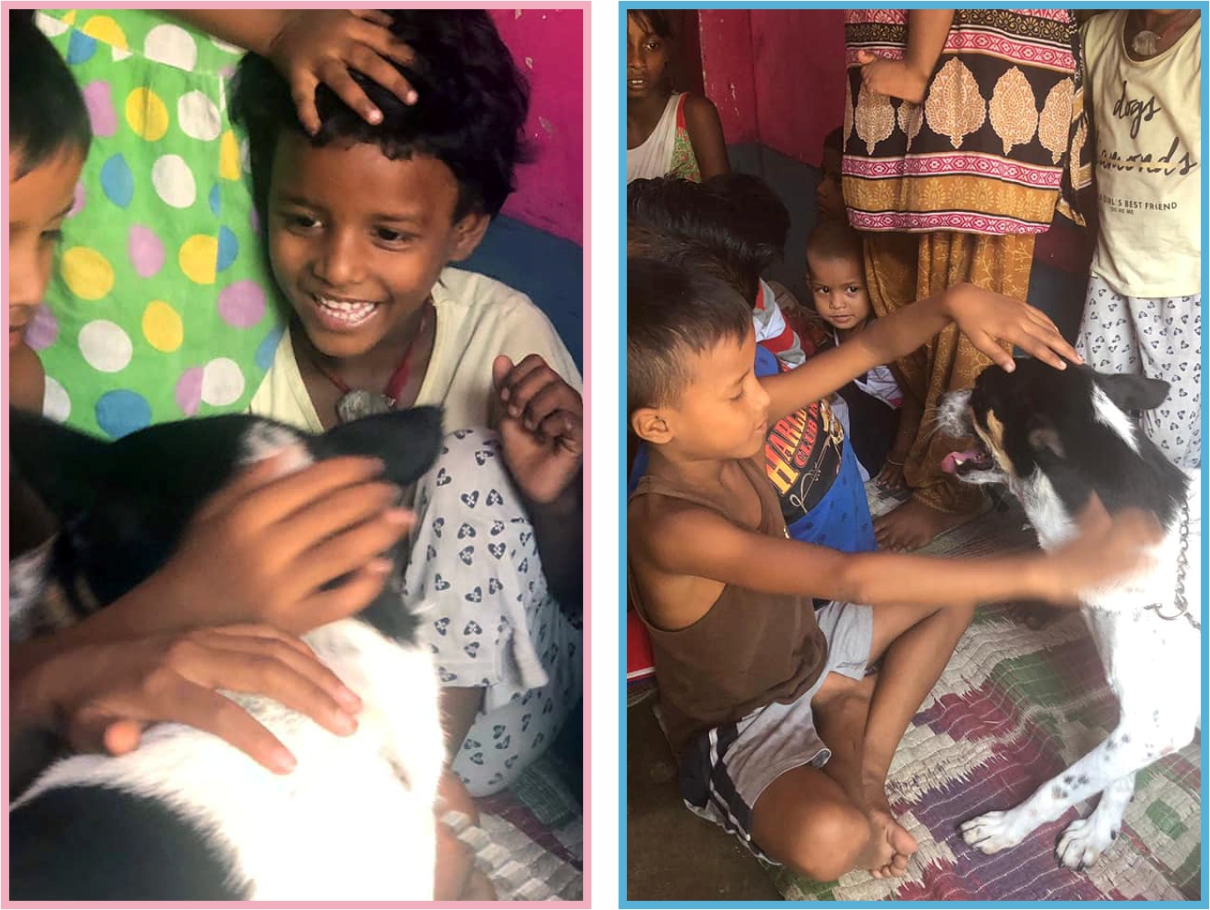
This workshop is also conducted in collaboration with organizations working with children from marginalised communities to help children understand and control their aggression towards animals and humans, explore various coping mechanisms and channelise their thoughts and feelings associated with violent behaviour. The project promotes bonding with free roaming animals, sometimes even leading to a lasting mutually beneficial relationship between an affection-starved child and animal.
While there is a robust demand for animals as pets amongst children, and parents fulfilling that demand, there are also increasing number of cases of abandonment and cruelty.
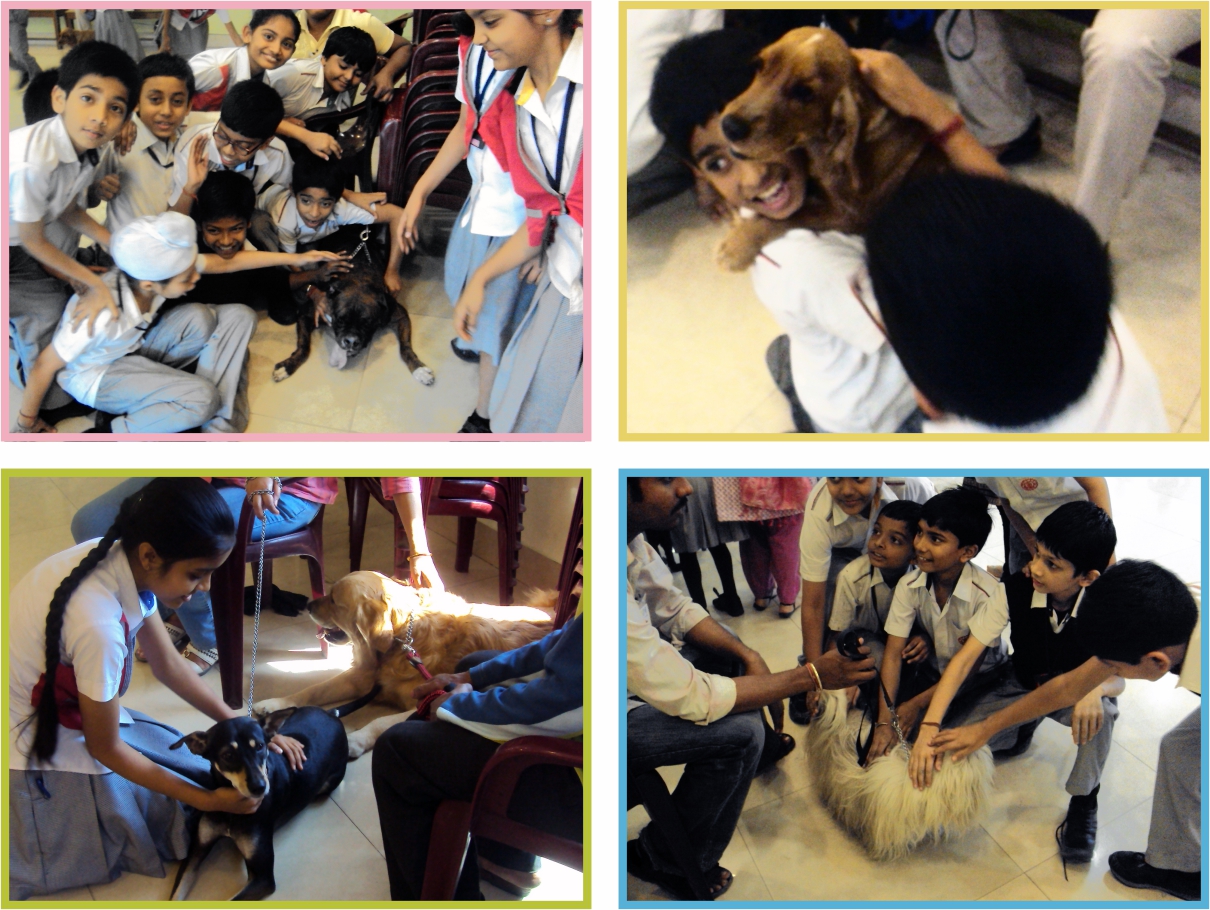
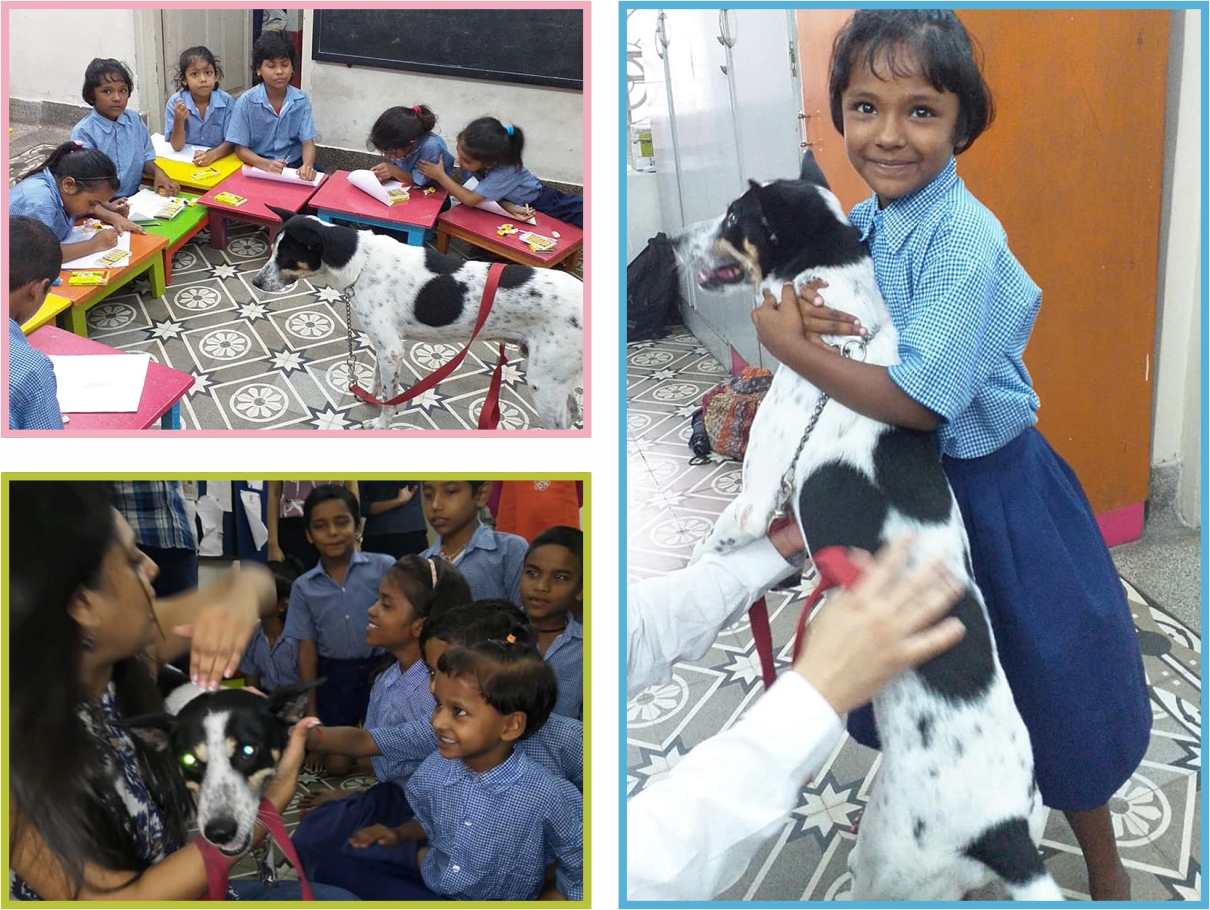
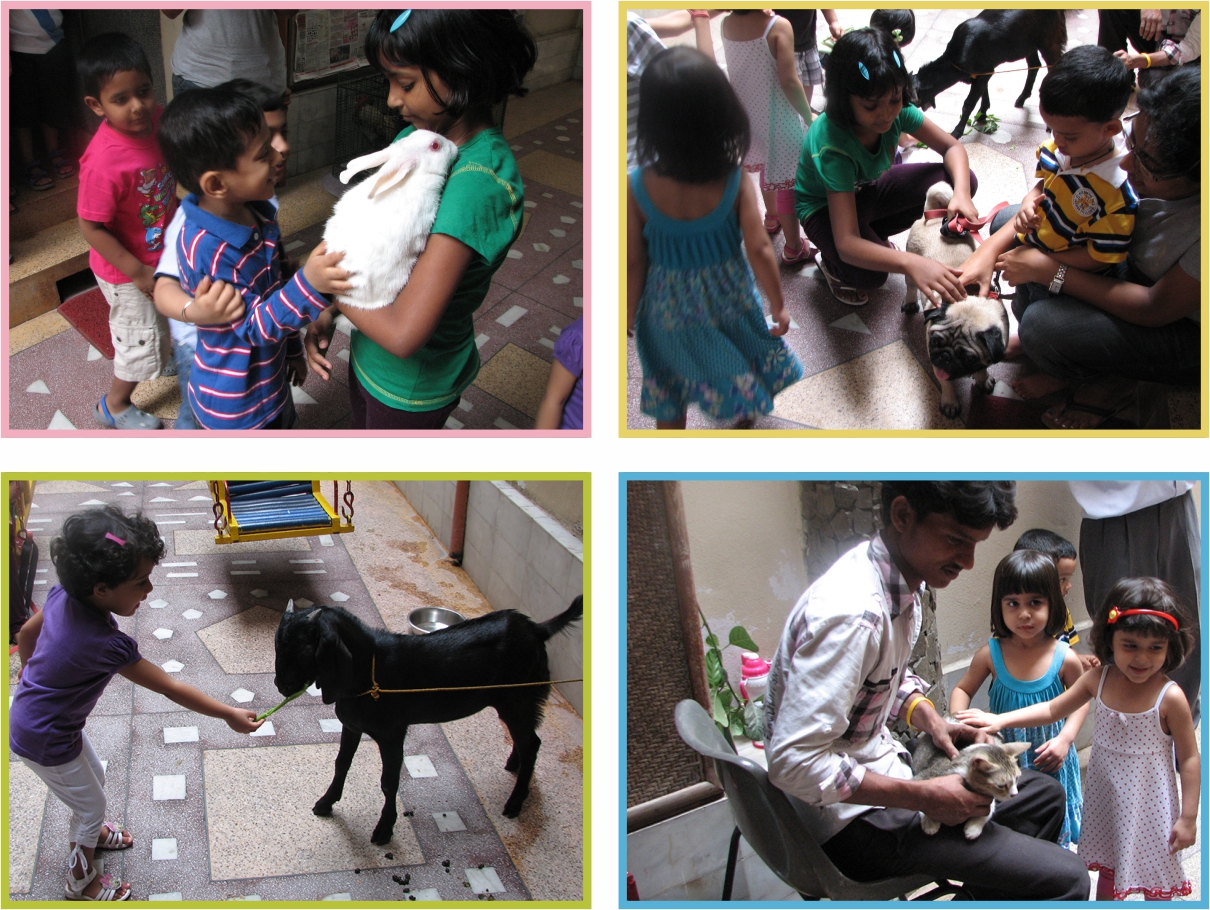
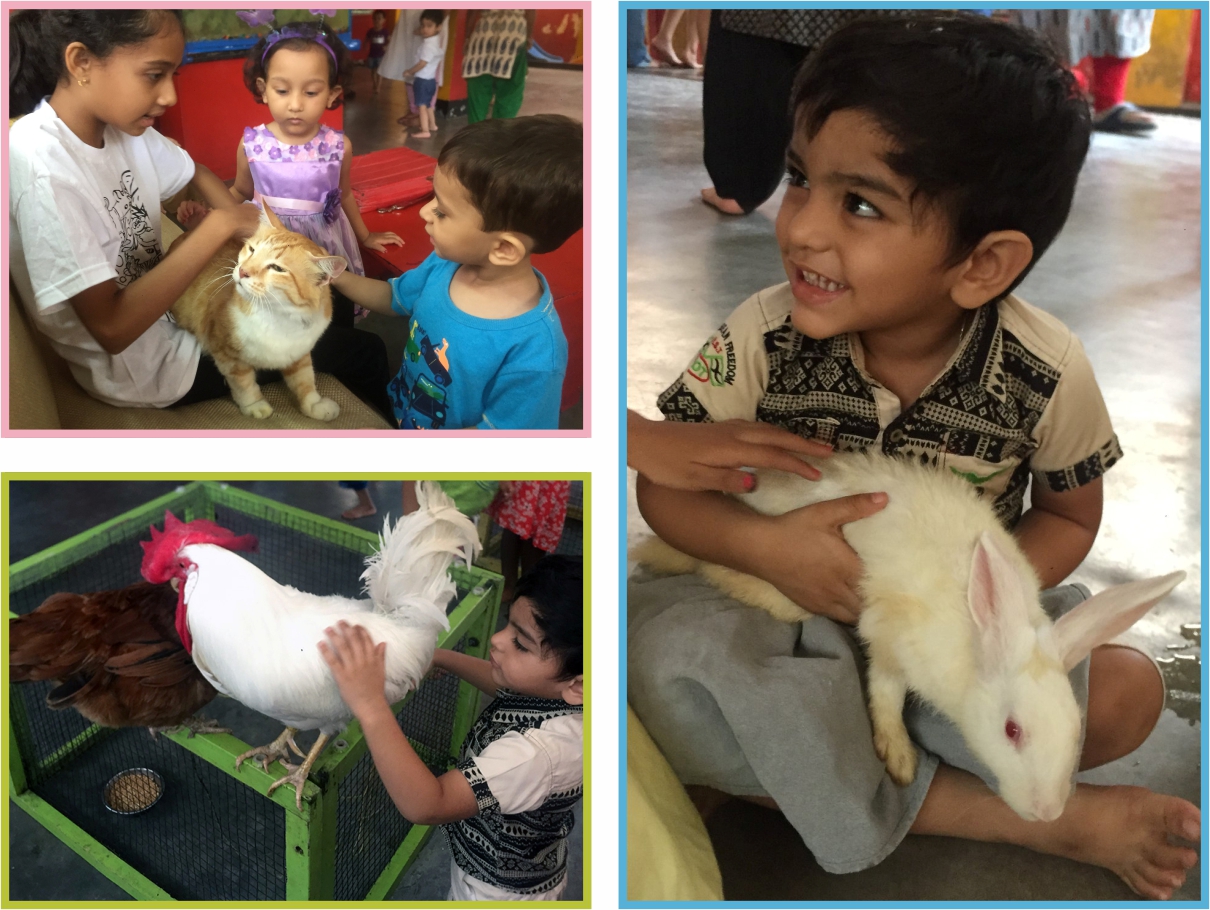
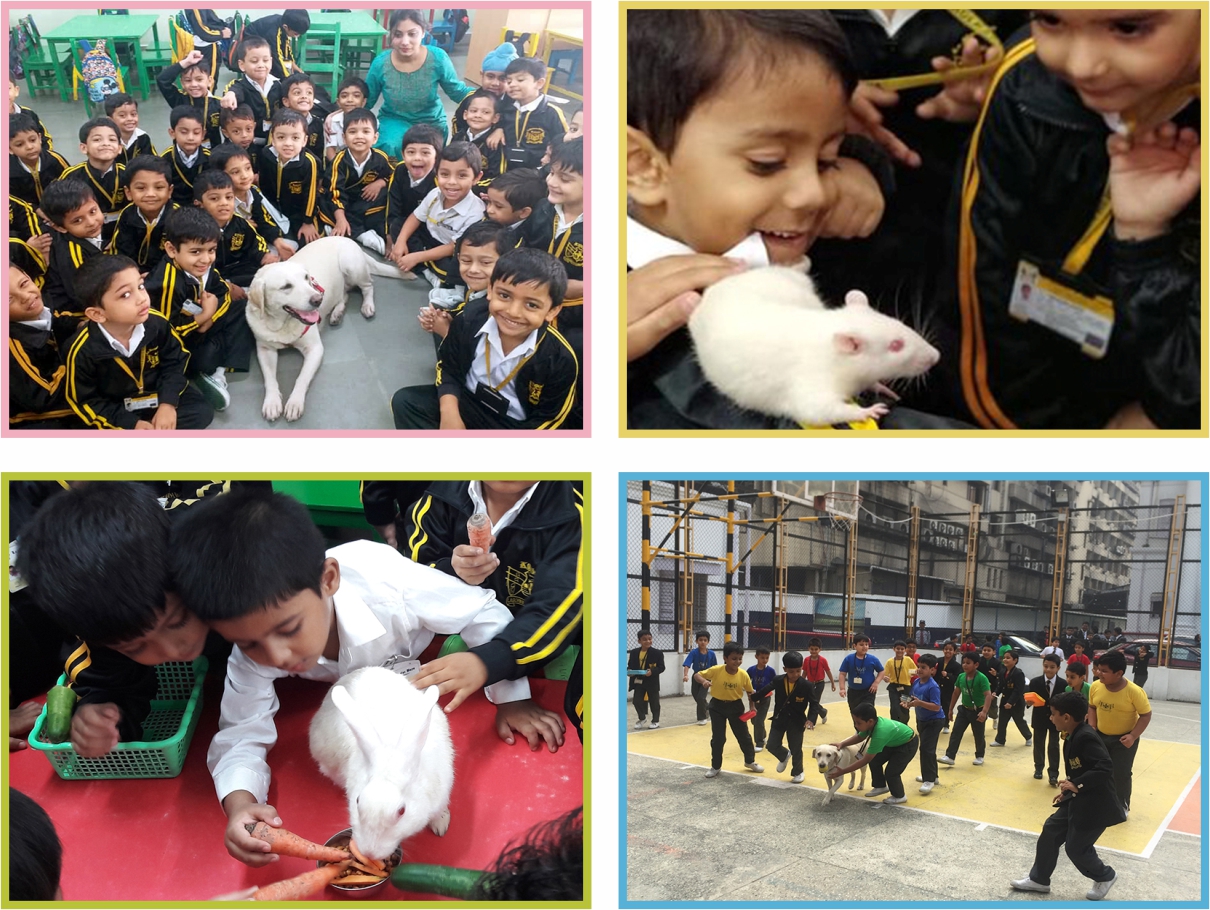
Over the years, we have conducted workshops in schools with children, to familiarize them with animals and break fears and inhibitions, and help them bond with animals; we noticed children's non verbal communication with animals, their feeling of being unconditionally accepted and loved by animals and how this impacted their own well being.
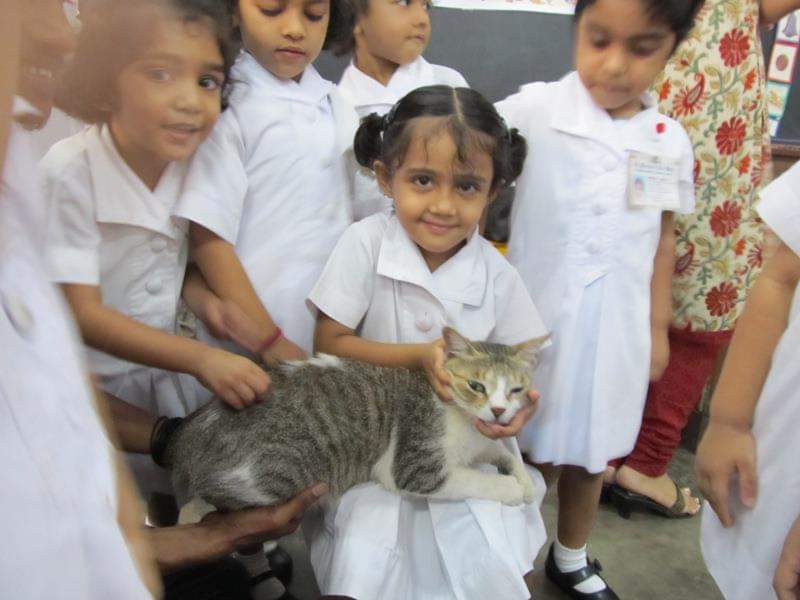
Interacting with animals, help children develop positive behaviour like kindness, subsistence, friendships and taking on responsibilities. Teaching children to be caring and nurturing towards animals is important for avoiding animal abuse, while teaching them young will build them as socially and emotionally intelligent citizens of the future.
Since the 1970s, research has reported cruelty towards animals as the first warning signs in children of later violence and criminal behaviour. It has been found that nearly all criminals have a history of animal cruelty and it for this reason that adults should be mindful to explain to children that it is not okay to mistreat an animal, just like it is not acceptable to hit or mistreat another child.
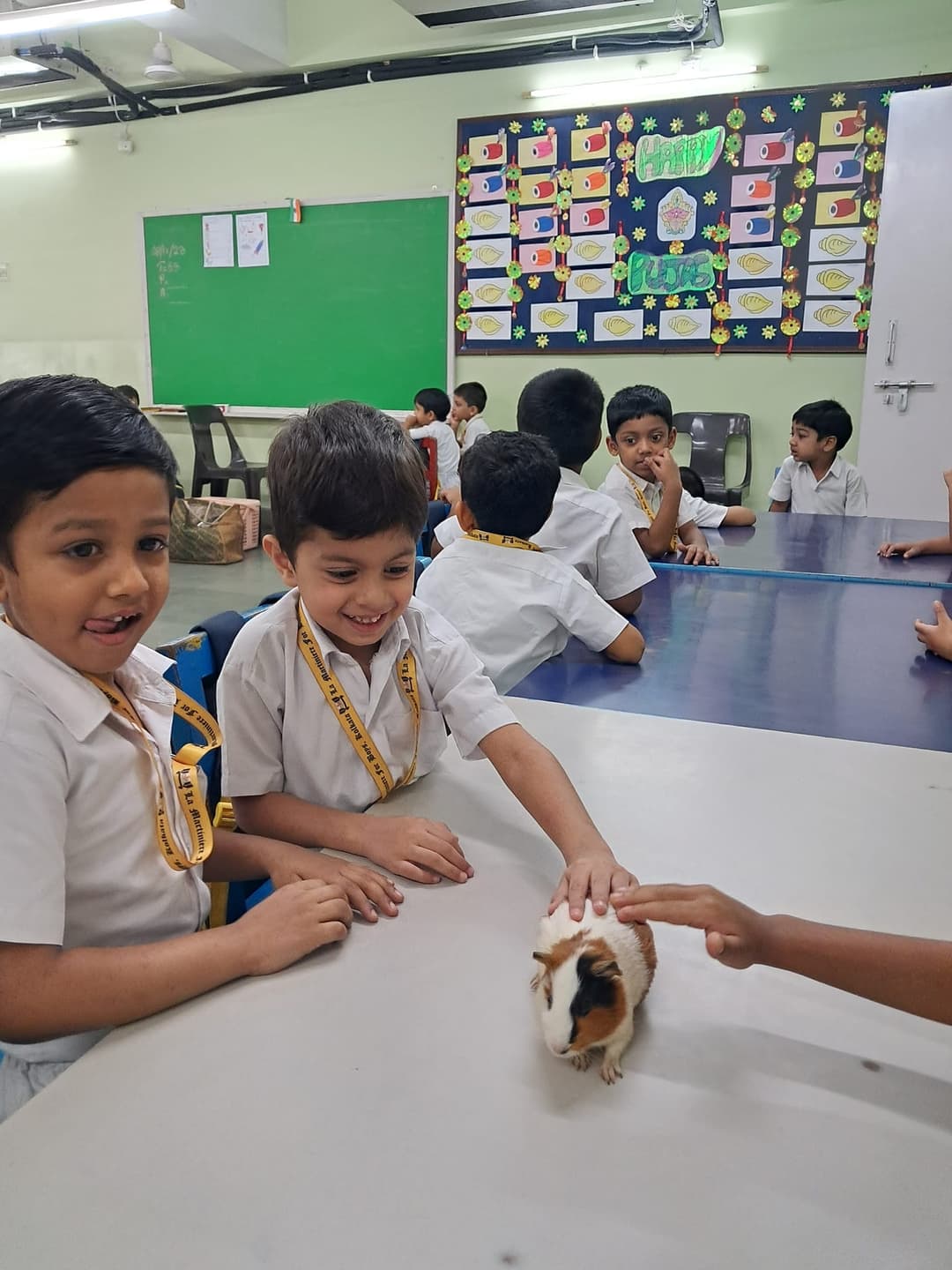
'Suhasini' our AAT (animal assisted therapy) module and CAPE's flagship program since 2008, has helped children understand and control their aggression towards animals and humans, explore various coping mechanisms and channelise their thoughts and feelings associated with violent behaviour.
The project promotes bonding with street animals, sometimes even leading to a lasting mutually beneficial relationship between an affection-starved child and animal. Through our workshops children soon learn that if they want to be liked and trusted by their pet or any animal they come across, they need to treat them carefully and kindly.
Helping to take care of an animal will give them a sense of pride and accomplishment, especially if the animal is able to return the affection. The interactions have been helpful for developing non-verbal communication skills through touch, play and expression - these are completely opposite to the expression and communication that is expected of them in all other spaces. As they experience unconditional acceptance, they also are able to accept themselves better - they are able to love themselves more for who they are, regardless of their skills, capacities, wealth, power and other parameters. They learn kindness not as an act of charity or welfare, but as a language of communication - through emotions.
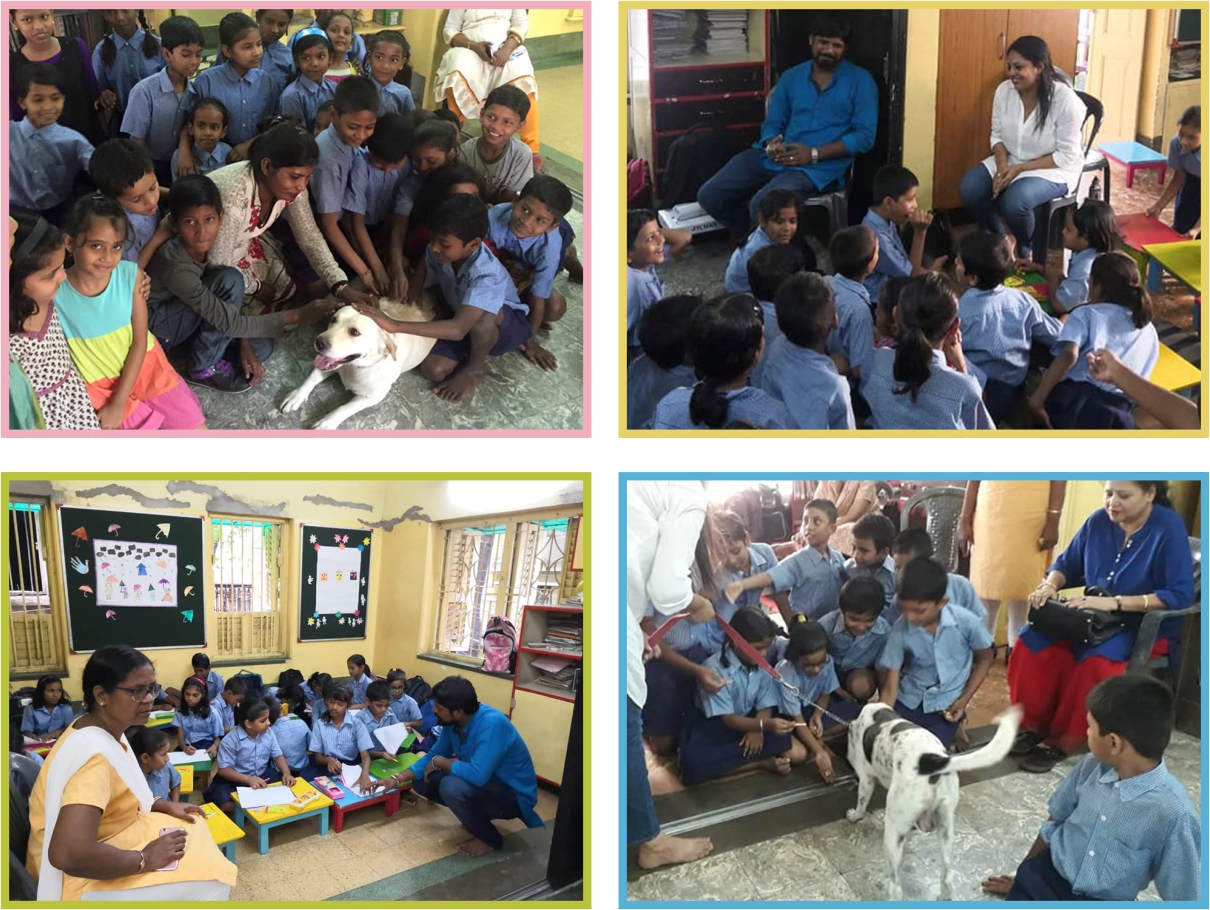
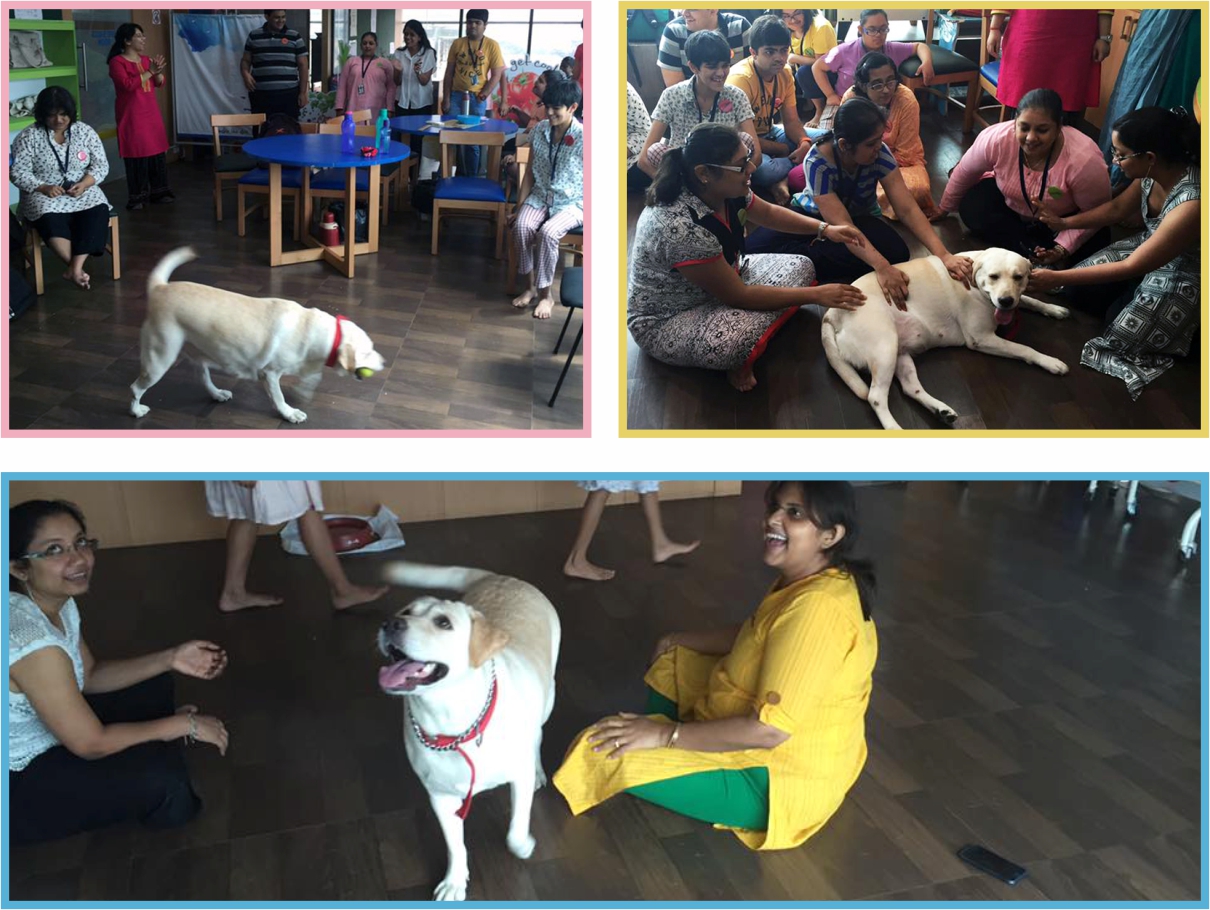
This programme has, in the last few years, been implemented in various schools and organisations working in slum areas. The module is also relevant to child care institutions such as shelters for destitute and orphaned children, children who are victims of trafficking, sexual abuse and exploitation, forced labour, children who have been in conflict with the law for some offence or acts of violence they may have committed.